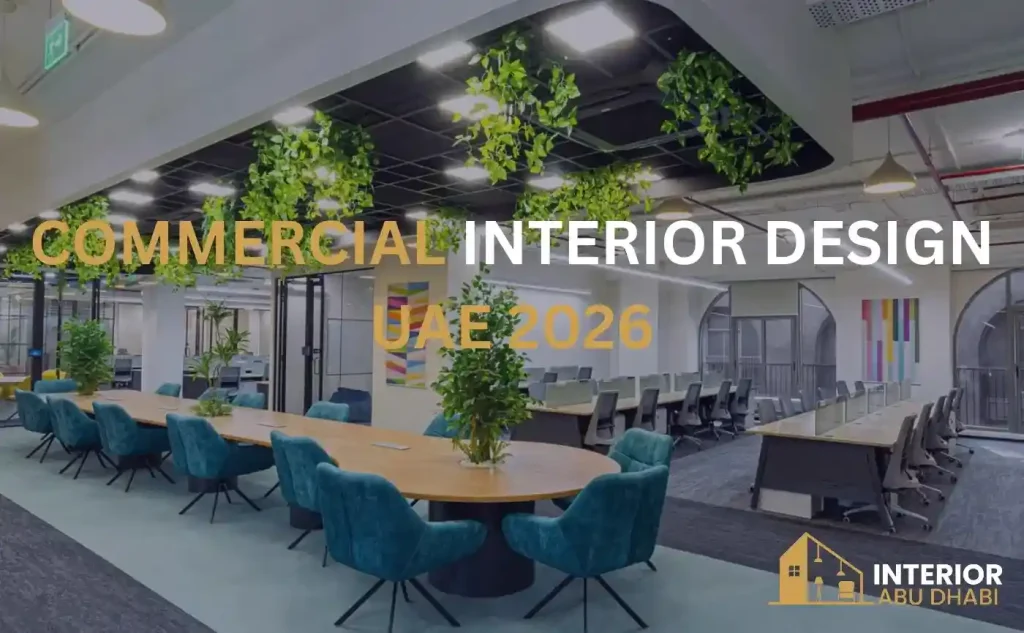
Commercial interior design in 2026 is about much more than making spaces look attractive. Today’s designers are shaping environments that support brand identity, employee well-being, customer experience, sustainability, and technology, all at the same time. From immersive retail stores and flexible workplaces to wellness-focused healthcare and hospitality spaces, commercial interiors are constantly evolving to meet changing business needs and user expectations.
In this article, we’ll explore the main subspecialties of commercial interior design and how they continue to grow and transform in 2026.
What Is Commercial Interior Design?
Commercial interior design is the planning, design, and implementation of interior spaces used for business and public purposes. This includes everything from offices and hotels to hospitals, airports, museums, and retail stores.
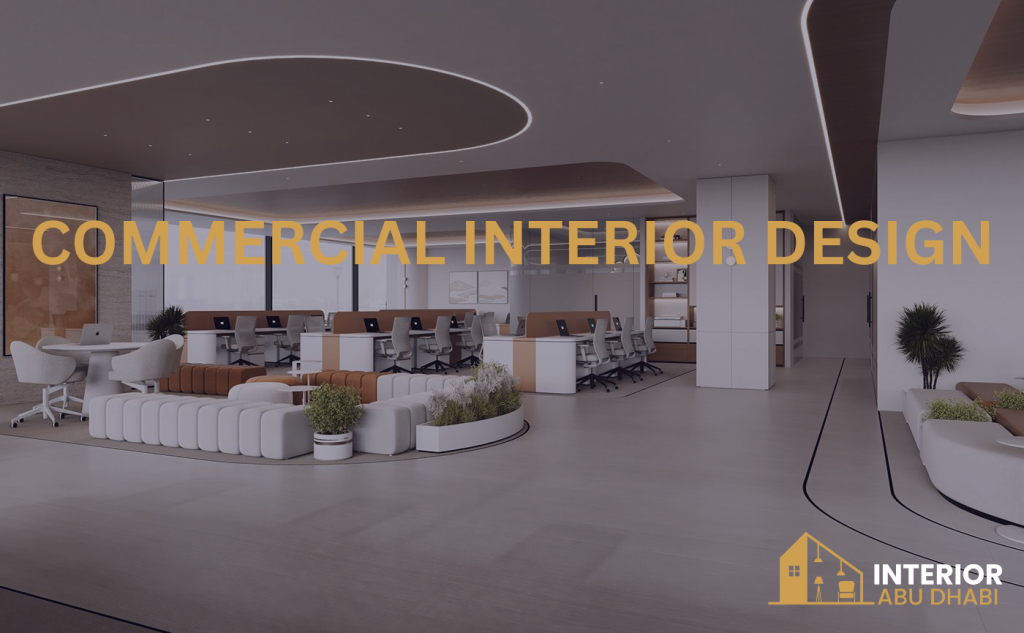
A commercial interior designer must consider:
- How people move through and use the space
- Business goals (sales, productivity, brand image, guest experience, etc.)
- Building codes, safety, and accessibility
- Durability, maintenance, and long-term cost
- Comfort, lighting, acoustics, and overall atmosphere
From there, the field breaks down into several important subspecialties.
Retail Interior Design
Designing Spaces That Sell
Retail interior design focuses on spaces where products and services are sold. The goal is to create an environment that attracts customers, communicates the brand, and encourages purchasing.
Types of Retail Spaces
Shopping malls and shopping centers
multi-brand environments that require clear circulation, zoning, and visual cohesion.
Department stores
large open spaces with multiple categories and strategic product placement.
Specialty stores
focused on a specific product type or target audience, often with a stronger, more distinctive brand identity.
Showrooms
spaces that allow customers to experience products in a realistic or dramatic setting, such as furniture, cars, or appliances.
Visual Merchandising & Customer Journey
Retail design is closely tied to visual merchandising how products are grouped, displayed, and highlighted. Designers think about:
- Storefront and window displays
- Pathways and circulation (the “customer journey”)
- Focal points and display zones
- Lighting and materials that enhance products
Visual and Spatial Branding
Using Space as a Brand Experience
Visual and spatial branding is the strategic use of interior elements to express a company’s identity. Instead of just using a logo and colors, the entire space becomes a physical expression of the brand.
Key elements include:
- Color palettes and materials that match the brand personality
- Signage and environmental graphics that communicate messages and wayfinding
- Furniture style and layout that reflect the brand’s tone (formal, relaxed, tech-driven, luxurious, etc.)
- Lighting and ambiance to create emotional impact
This approach is common in retail, offices, hospitality, and even healthcare environments that want to feel more welcoming and distinctive.
Corporate Interior Design
 Creating Functional and Inspiring Workplaces
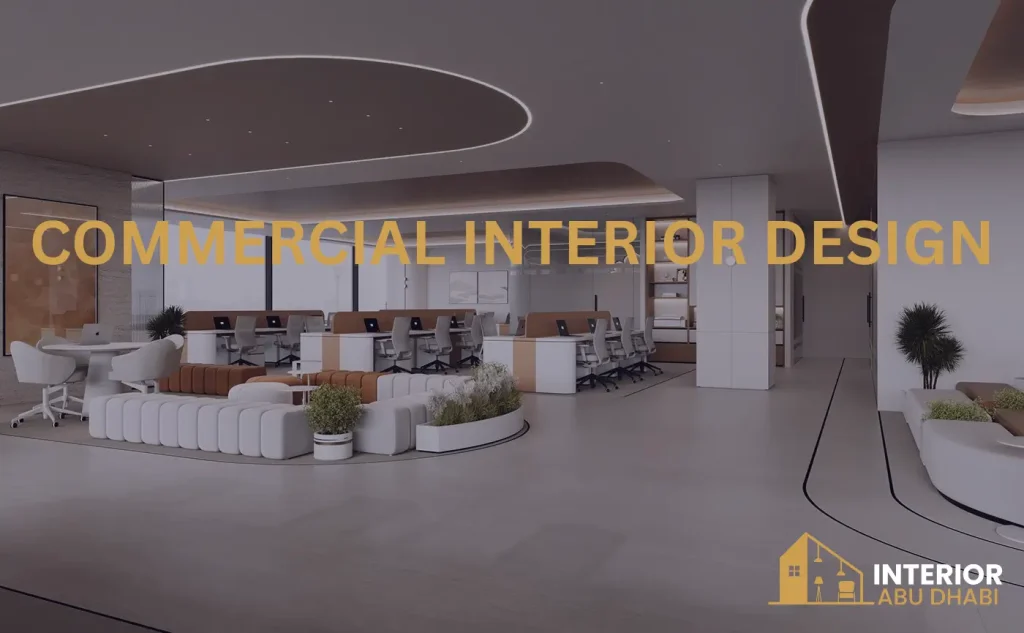
Corporate interior design deals with office spaces for all types of businesses—banks, agencies, tech companies, law firms, and more.
Design goals often include:
- Supporting productivity and collaboration
- Providing private and quiet areas for focus
- Reflecting the company’s culture and values
- Complying with ergonomics, safety, and accessibility
Modern Trends in Office Design
Modern corporate spaces often incorporate:
- Open-plan zones mixed with private rooms and quiet pods
- Flexible work areas with movable furniture and multi-use rooms
- Breakout spaces and lounges for informal collaboration
- Biophilic design: plants, natural light, and nature-inspired materials
Healthcare Interior Design
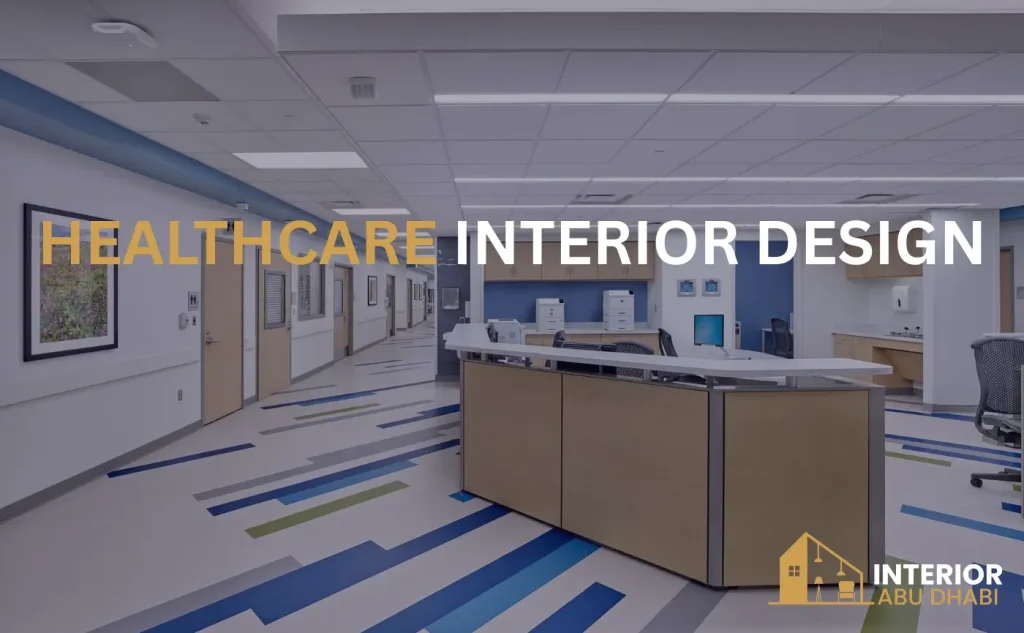 Designing for Healing and Well-Being
Healthcare interior design focuses on spaces such as:
- Hospitals and clinics
- Assisted living and senior care facilities
- Medical and dental offices
- Psychiatric and therapy centers
- Laboratories and specialist facilities
Key Considerations in Healthcare Spaces
Healthcare environments must balance functionality, hygiene, safety, and emotional comfort. Designers pay close attention to:
- Easy navigation (clear circulation and wayfinding)
- Durable, cleanable materials and finishes
- Lighting that supports medical tasks yet feels calming
- Acoustics that reduce noise and stress
- Patient privacy and dignity
Hospitality and Recreation Design
Spaces for Rest, Leisure, and Entertainment
Hospitality and recreation design includes:
- Hotels and resorts
- Motels and hostels
- Cafes, bars, and restaurants
- Casinos and nightclubs
- Theaters, music halls, and opera houses
- Sports clubs, gyms, health clubs, and spas
- Cruise ships and other leisure environments
Creating Memorable Experiences
Here, the emphasis is on ambiance and guest experience. Designers focus on:
- First impressions in lobbies and entrances
- Comfortable, functional guest rooms and suites
- Restaurant layouts that balance intimacy and capacity
- Lighting, color, and materials that support the desired mood
- Integrating local culture and storytelling into the design
Institutional Interior Design
Serving Public, Educational, and Religious Needs
Institutional design covers spaces such as:
- Government offices and civic centers
- Banks and financial institutions
- Schools, colleges, and universities
- Libraries and research centers
- Religious buildings and places of worship
Balancing Function, Durability, and Identity
Institutional spaces often require:
- High durability and low maintenance
- Clear layouts that support public access and safety
- Flexible rooms for different programs and activities
- A sense of identity and community representation
Industrial Interior Design
Spaces for Production and Training
Industrial facilities include:
- Manufacturing plants
- Warehouses and distribution centers
- Training centers for technical skills
- Import and export facilities
Interior design here is closely tied to process flow, safety, and efficiency. Designers consider:
- Logical arrangement of work zones and equipment
- Clear circulation paths for people and machinery
- Safety signage, color coding, and lighting
- Staff welfare areas such as offices, canteens, and rest zones
Exhibition and Gallery Design
Curating Space for Art, Ideas, and Brands
Exhibition design focuses on temporary or permanent spaces such as:
- Art museums and galleries
- Cultural exhibitions
- Trade show booths and pavilions
- Brand experience centers and showrooms
Storytelling Through Space
Designers work to structure both content and movement:
- Visitor flow and pacing through exhibits
- Display systems that protect and highlight objects
- Lighting design for artwork and installations
- Graphics, interactive media, and digital experiences
Transportation and Traffic Building Design
Designing for Movement and Safety
Traffic building design covers spaces that manage large flows of people, including:
- Bus stations and terminals
- Metro and subway stations
- Airports and airline lounges
- Ferry and ship terminals
Key priorities:
- Clear wayfinding and signage
- Intuitive circulation and zoning (arrivals, departures, security, waiting areas)
- Seating, amenities, and accessibility
- Safety, visibility, and security considerations
Sports and Recreational Facilities
Designing for Performance and Spectators
Sports-related interior spaces can include:
- Stadiums and arenas
- Gymnasiums and indoor courts
- Swimming pools and aquatic centers
- Fitness studios and training facilities
Design elements often address:
- Clear separation of athlete and spectator zones
- Safety and durability of surfaces and equipment
- Good sightlines and seating for audiences
- Ventilation, acoustics, and lighting suited to the sport
Careers in Commercial Interior Design
Teaching and Education
Some interior designers choose to share their expertise by teaching in private institutes, colleges, and professional training centers. They may:
- Teach design principles, drafting, and digital tools
- Supervise studio projects
- Mentor students on real-world design processes
Self-Employment and Design Studios
Many designers work as freelancers or studio owners, handling:
- Client communication and project management
- Design concepts, drawings, and specifications
- Coordination with contractors, suppliers, and consultants
Self-employed designers must combine creative skills with business skills, including marketing, budgeting, and team management.
Employment in Private Firms
Others join private design, architecture, or construction firms, working on:
- Specialized commercial projects (retail, workplace, hospitality, etc.)
- Larger multidisciplinary teams
- Long-term relationships with corporate clients and brands
The Future of Commercial Interior Design Beyond 2026
Looking beyond 2026, commercial interiors will continue to evolve with:
- Sustainable and eco-friendly design as a standard, not a trend
- Smart technologies (IoT, automation, data-driven environments)
- Flexible and hybrid spaces that adapt quickly to new needs
- A stronger focus on wellness, inclusivity, and user experience
Whether it’s a small boutique or a large airport terminal, commercial interior design shapes how we move, work, shop, and relax every day. It’s a discipline where creativity meets strategy—and where every space is an opportunity to support people and tell a meaningful story.
Professional Interior Design Services in the UAE
For businesses and organizations in the UAE looking to create functional, stylish, and innovative commercial spaces, working with experienced professionals can make all the difference. Companies like Interior Abu Dhabi offer comprehensive interior design services in Abu Dhabi, UAE across retail, corporate, hospitality, and healthcare sectors, helping bring your vision to life while ensuring practical efficiency and aesthetic appeal.